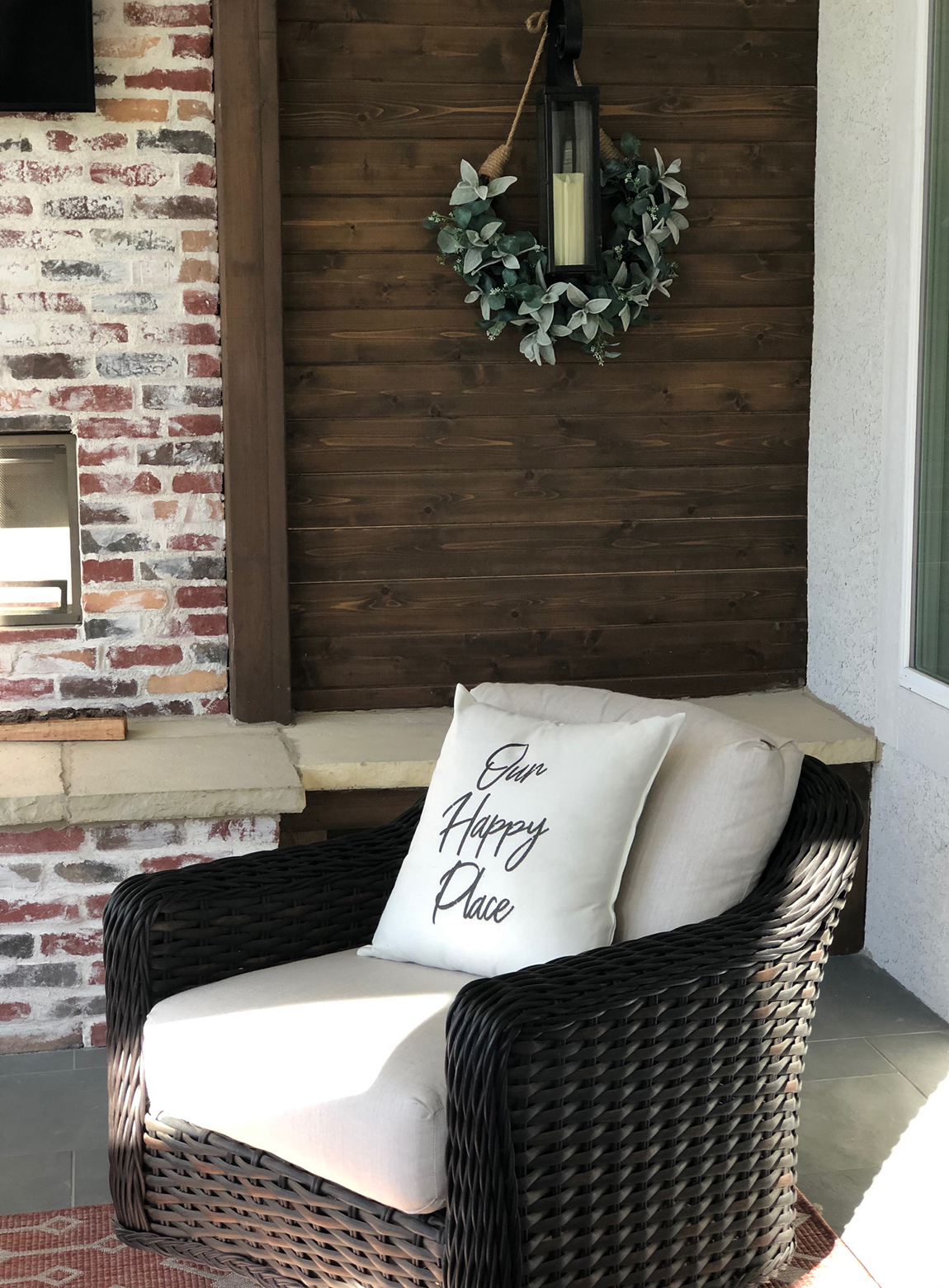
Interior design goes beyond just appearances; it’s about crafting a space that truly reflects who you are, what fits your lifestyle, and what makes you happy. Describing your style can sometimes be tricky, but we’re here to help you get started. As you go through this guide, take note of what grabs your attention, what you like…and what you don’t. Visit stores, take photos, and build an inspiration board.
Once your inspiration board is full, begin narrowing it down by eliminating things you could live without, keeping only the pieces you really love. In time, your unique style will begin to take shape. Think about your interests, hobbies, and how you live day to day. Do you prefer a bold, vibrant atmosphere, or do you find comfort in a clean, clutter-free space? Answering questions like these can help guide you toward your style.
Don’t be afraid to experiment by mixing different looks – your style can pull from multiple influences. Start with small additions like new pillows or artwork, and see how these changes impact the feel of your space. Gradually introduce more pieces until you create the look you want.
Your home should be a reflection of you – a place where you can relax, entertain, and create memories. Take time to explore different styles until you find the one that feels right for you. Whether it’s the simplicity of modern design, the coziness of rustic decor, or the elegance of Art Deco, there’s something out there to make any space feel uniquely yours.
Let’s start by exploring some design styles. This guide is packed with ideas and inspiration for everyone!
Modern Interior Design Style
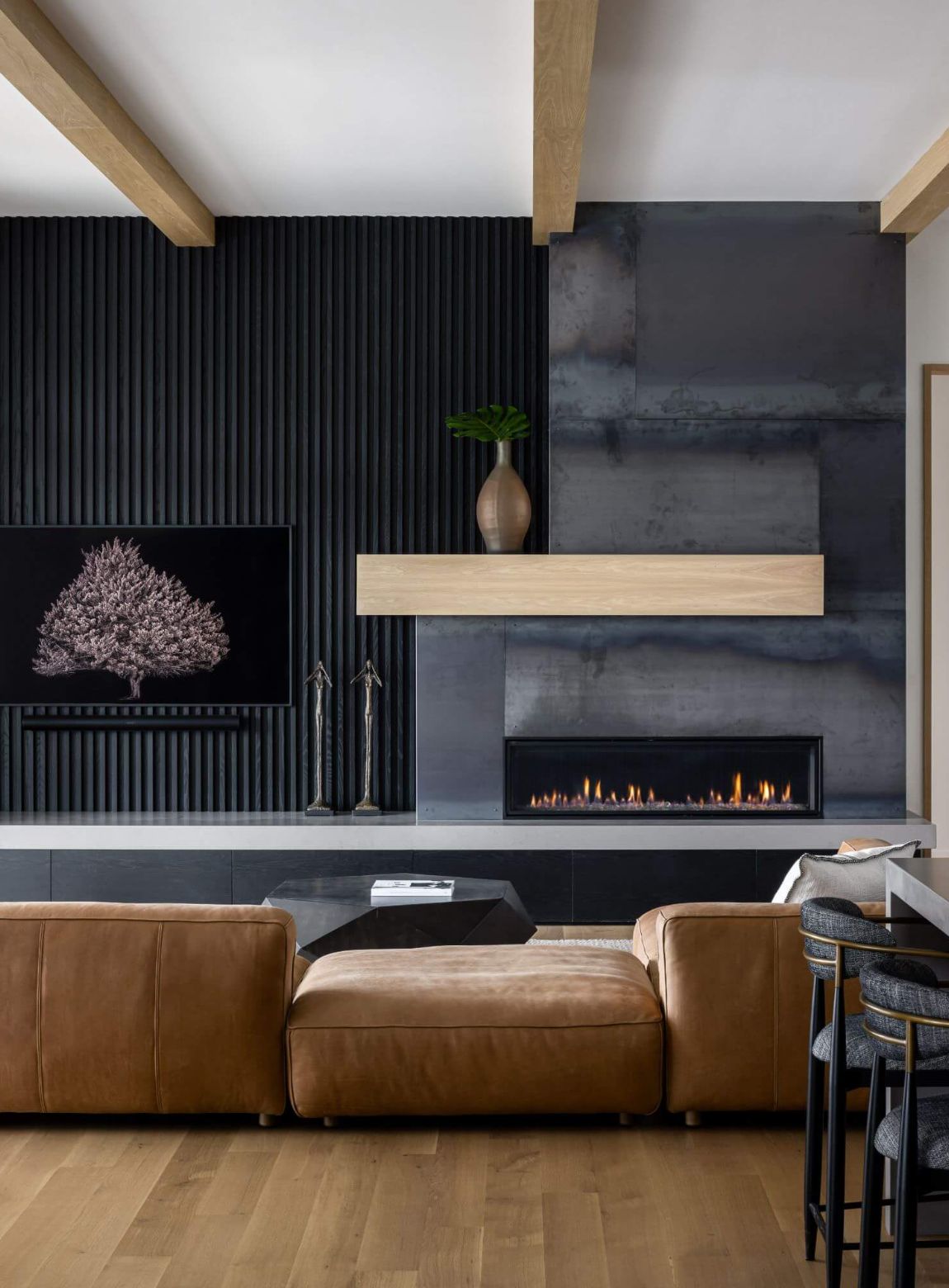
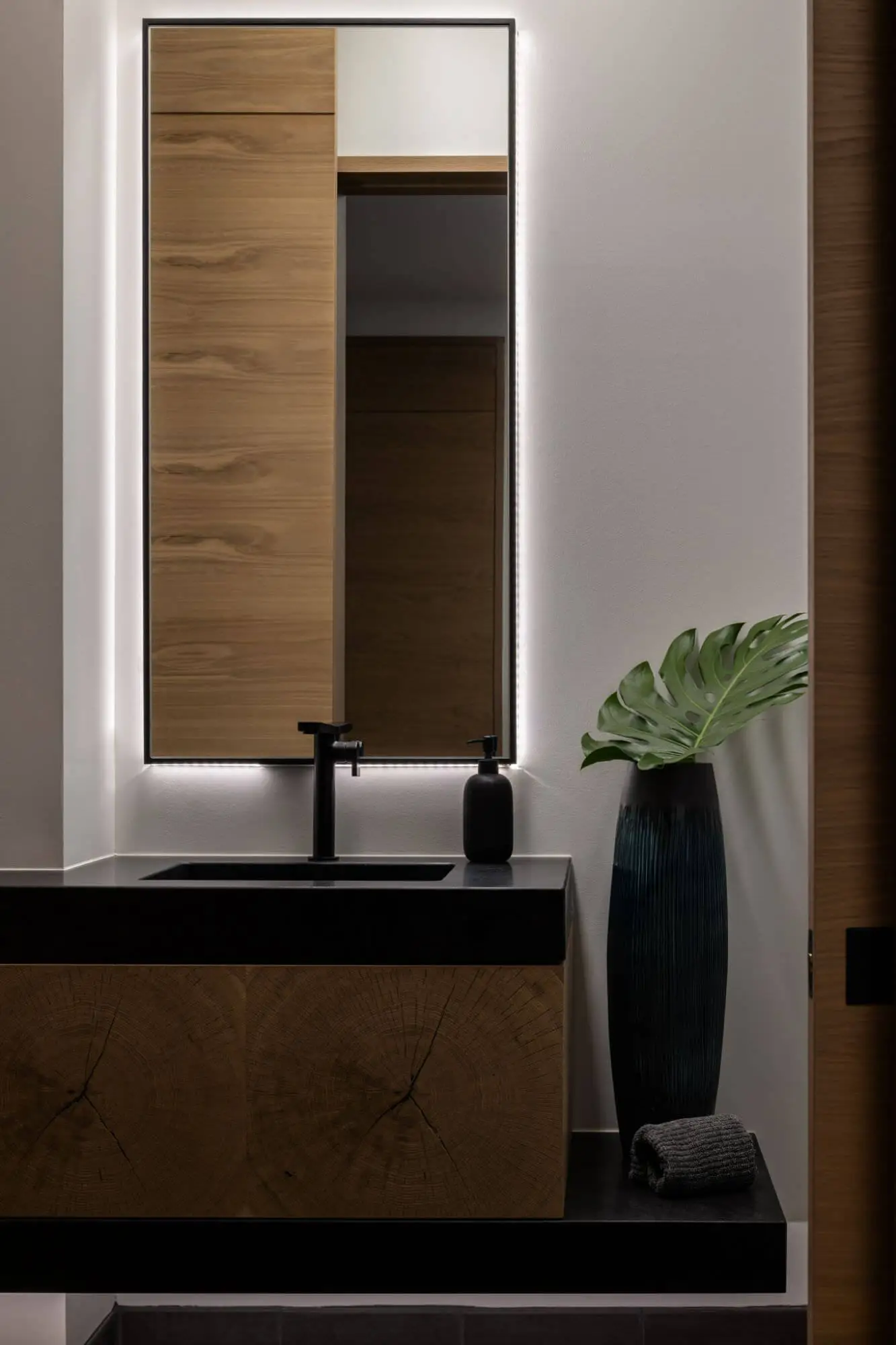
If you value simplicity and organization, this style is perfect for you. Modern design emphasizes clean lines and a ‘less-is-more’ approach, creating a visually calm space that reduces stress by eliminating clutter.
Colors – Opt for warm neutrals like black, white, and gray, with occasional pops of bright color.
Materials – Wood plays an important role, often used for flooring, furniture, or exposed beams.
Natural, untreated wood is frequently chosen to highlight the grain, offering a nod to nature.
Furniture – Choose pieces with low profiles and smooth surfaces, avoiding unnecessary details. Wood veneers over MDF boards are common, as these materials combine to form strong, sleek joints.
Décor – Keep it minimal with a few functional pieces and abstract art.
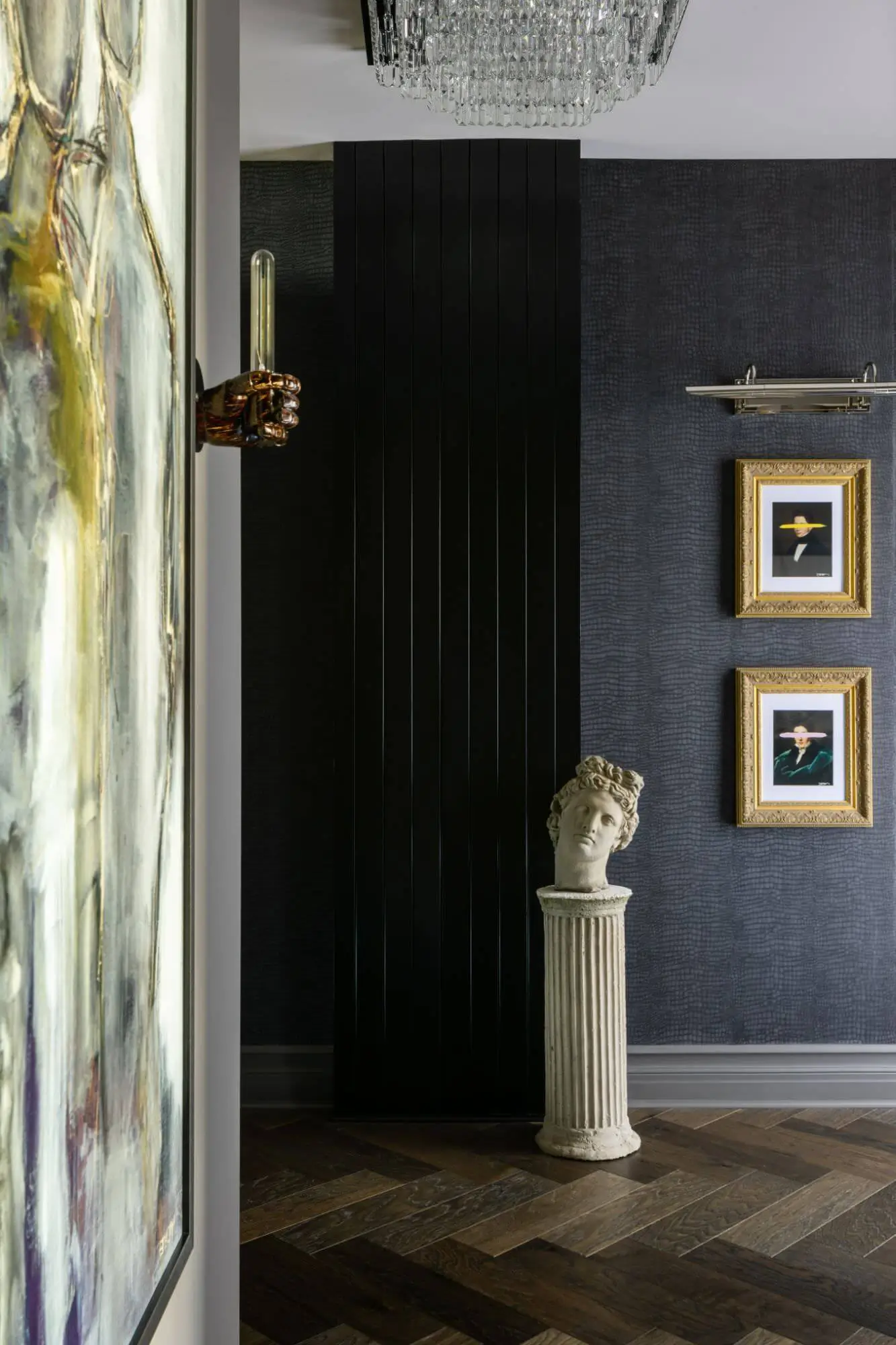
Contemporary Interior Design Style
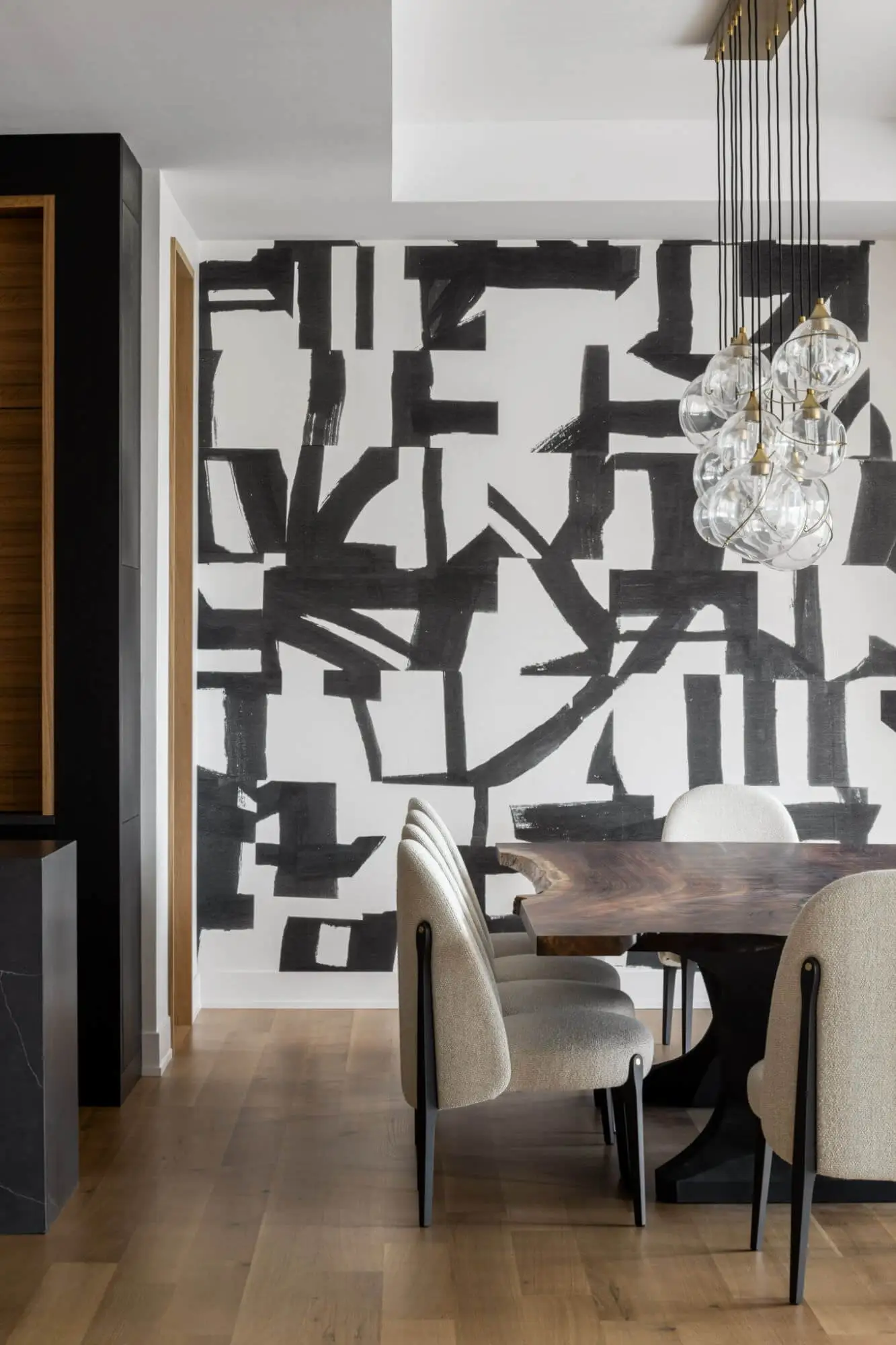
There aren’t strict rules in this style—it’s all about flexibility, with looks influenced by the latest design trends. Contemporary design today might look different in just a few years, with updates in accent colors and patterns to keep it feeling fresh. One of its signature elements is contrast, often seen by pairing black and white, using asymmetrical décor, or creating bold focal points. This style is always evolving and reflects what’s popular at the moment. If you enjoy a mix of styles that change over time, contemporary design could be a great fit for you.
Color – Neutral tones like grays and whites dominate, with bright accent colors used to create standout features.
Materials – Metals, wood, glass, and natural fibers are often combined to create unique results.
Furniture – Contemporary furniture adapts to current trends, focusing on open space and lighting, both natural and artificial. Styles range from Scandinavian to shabby chic, with an emphasis on creating an airy, uncluttered atmosphere.
Décor – Modern art, artistic elements, and unique lighting fixtures are key features. A variety of textures, from smooth to rough, play an important role in completing the look.

Scandinavian Interior Design Style
In one word: simplicity. This style is defined by soft color schemes, natural materials, and clean lines. It emphasizes natural light and open spaces, often featuring unfinished elements like exposed brick. If you like to combine modern and rustic elements with practicality, coziness, and comfort, Scandinavian design could be just what you’re looking for!
Colors – Neutral tones are the foundation, with occasional touches of earthy colors or grays. White is often the most prominent.
Materials – Wood is a mainstay, usually combined with wool, cotton, and other natural fibers that bring warmth to the sleek, polished look.
Furniture – Think simple, functional designs. Furniture is made from natural materials and tends to be lightweight, often modular to fit different room sizes. Picture the classic Eames chair.
Décor – Focus on comfort without clutter. Woolen textiles can be used not only for rugs but also on walls or ceilings. Combine these with raw cotton and exposed wood beams for an earthy, warm feel throughout the home.
Industrial Interior Design Style
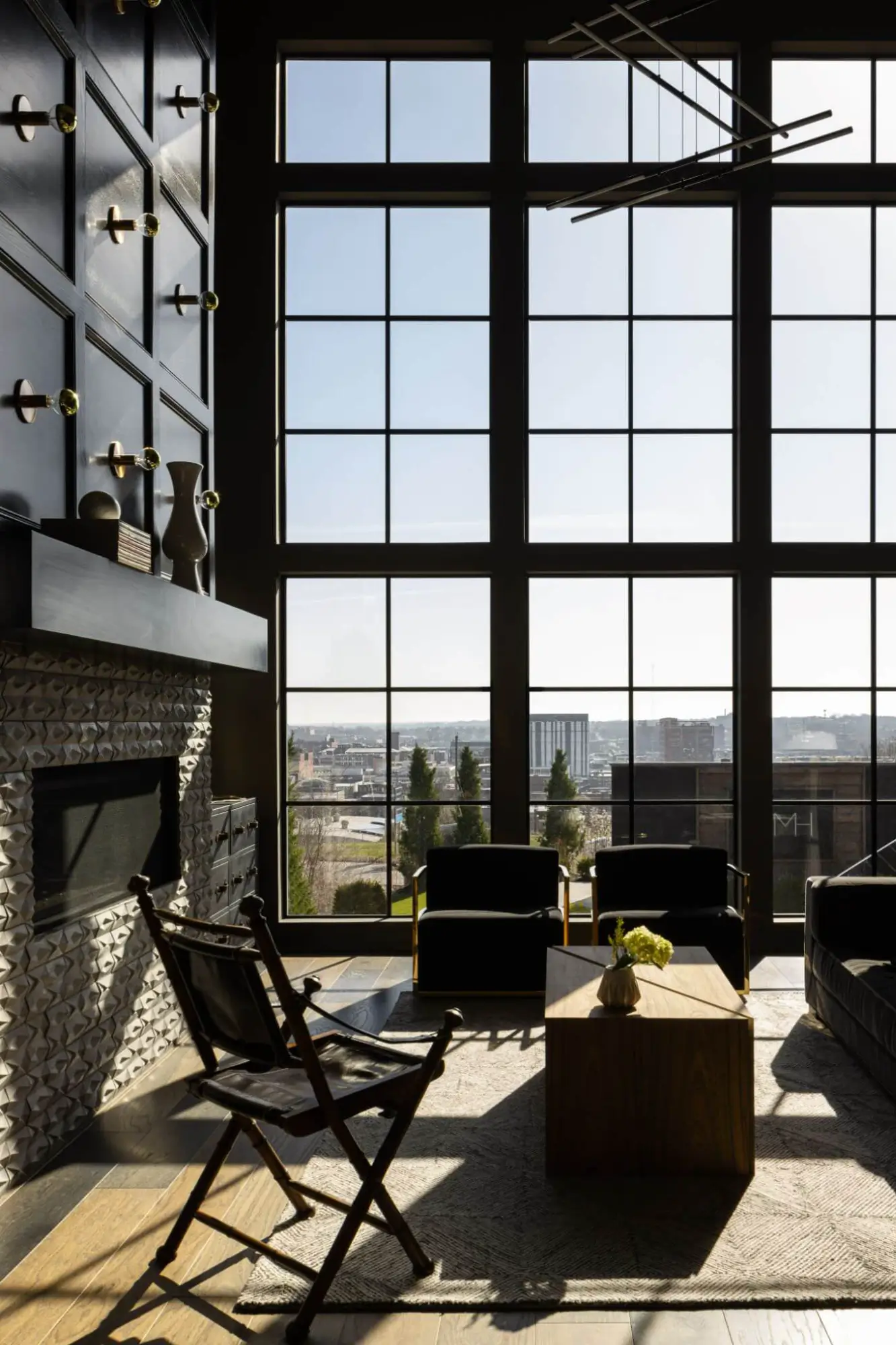
This style typically features open spaces filled with natural light pouring in from large windows. It draws inspiration from warehouses and factories, showcasing architectural elements like exposed brick, metal beams, wood plank floors, and columns, along with recycled materials. It makes a bold, unfinished statement, highlighting the beauty in raw, industrial materials. If you love open spaces with a historical vibe and rugged finishes, this might be your style!
Colors – Dark neutrals like whites, grays, and blacks are ideal for an industrial color scheme.
Materials – Steel, iron, and leather fit perfectly here, while solid woods like mahogany or oak are great for flooring.
Furniture – Think big and functional. Tables with repurposed metal legs and reclaimed wood tops, rolling drawer chests, or coffee tables with industrial-style caster feet and thick glass tops all capture the industrial vibe.
Décor – Stay authentic with vintage touches like Edison bulbs in exposed light fixtures and industrial-inspired wall art.
Traditional Interior Design Style
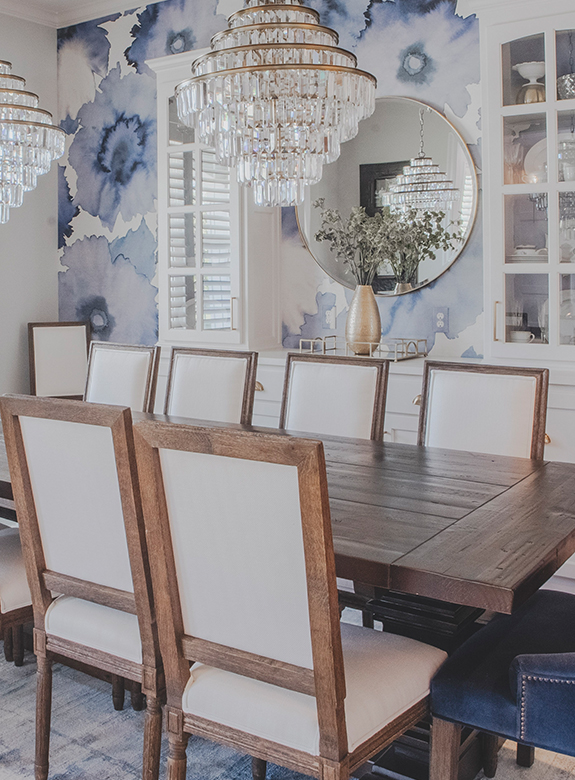
This timeless style is inspired by the 18th and 19th centuries, featuring classic art, antiques, and furniture with a rich history. While traditional design is often influenced by European décor, it can also include elements from England, France, or even the Far East. The overall look is one of order and sophistication. If you love refined spaces with a historical feel, traditional design could be a great fit for you.
Colors – The main color palette revolves around rich tones like red, blue, and yellow.
Materials – Dark, polished woods such as mahogany and cherry are key, along with elegant fabrics like damask, brocade, and velvet.
Furniture – Heavy, elegant pieces, often antique or reproductions. Sofas, armchairs, and dining sets typically feature ornate details.
Décor – Think of classic artwork, chandeliers, and traditional rugs. Family heirlooms and items with a story also add to the charm.
Coastal Interior Design Style
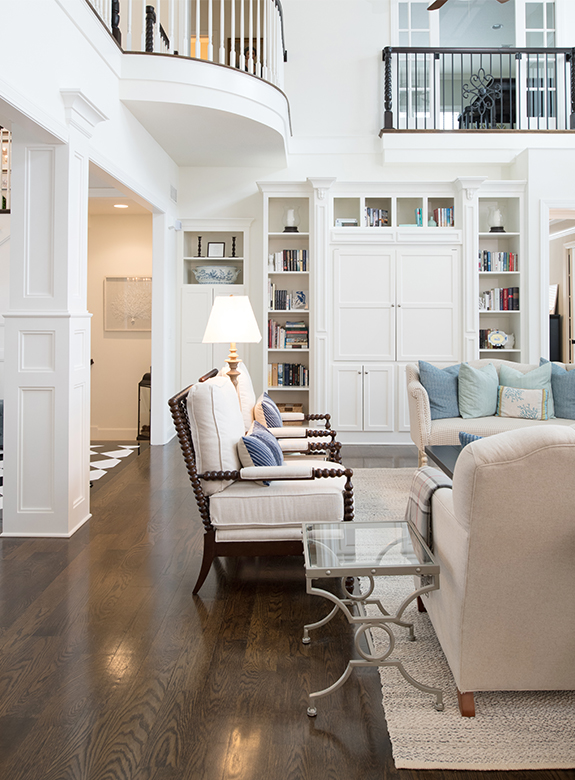
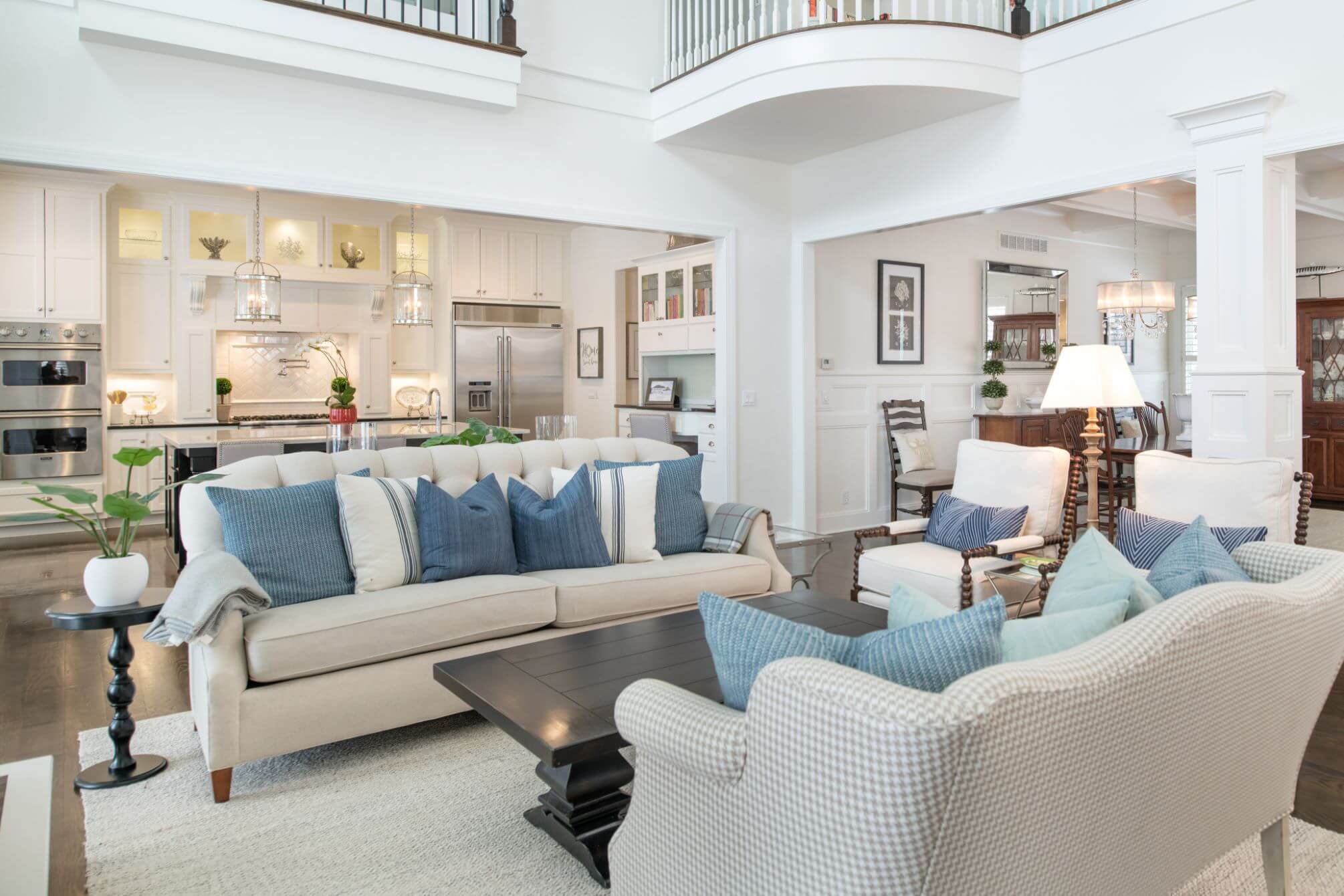
Coastal design is inspired by beachside living, particularly from places like the Hamptons, the Mediterranean, and Australia’s coastal regions. It draws from the entire coastal environment, including beaches, sand dunes, seagrass, and other natural elements. If you love the ocean and a relaxed, laid-back atmosphere that emphasizes comfort and simplicity, this style might be for you.
Colors – The palette is soft and calming, reflecting the beach and ocean, with shades of aqua blues, greens, and neutrals.
Materials – Natural materials are key: think light-colored wood, whitewashed or weathered finishes, cotton, rattan, wicker, jute, and bamboo. Stripes, especially blue, are common on curtains, rugs, or pillows to create that marine feel.
Furniture – Casual and comfortable, with soft fabrics made from natural fibers. Look for light-painted or distressed wood on cozy pieces like slipcovered sofas.
Décor – Beach-inspired accessories like seashells, driftwood, coral, and starfish, along with marine-themed artwork. Use lightweight fabrics on windows to let the breeze in, and include vintage or coastal signage. Don’t forget to add seashells, ropes, and anchors—anything with a nautical vibe!
Art Deco Interior Design Style
Bring a 1920s vibe to your space by adding color and details! Use rich, bold tones to give this classic style a modern twist. Mix in contemporary designs with bright shades, geometric shapes, and luxurious textures. If you love making bold design statements, Art Deco might be perfect for you.
Colors – Deep blues, greens, golds, and blacks.
Materials – Think marble with chrome, exotic skins, and lacquer for that glamorous touch.
Furniture – Go for large statement pieces like sideboards or armoires. Zebrawood, chrome, and mirrored furniture pair beautifully. Mirrored tables and velvet chairs fit right into the Art Deco style, with strong, streamlined shapes and no unnecessary details.
Décor – Combine bold geometric patterns with luxurious materials. Look for decorative elements like sunbursts, zigzags, and stylized floral designs.
Mid-Century Modern Interior Design Style
Watch any episode of Suits to get a quick sense of this style. It emerged between the 1940s and 1960s, known for clean lines, authentic materials, and elegant designs with organic shapes, soft curves, and vibrant colors. The focus is on functionality and smart furniture arrangement.
Colors – Classic shades like ochre, orange, brown, and mustard yellow are key inspirations. They can be combined for a harmonious, monochromatic look or mixed with other colors for variety.
Materials – Natural elements like wood and stone create a warm and relaxed feel. Teak, paired with other mid-toned woods, often contrasts with metal, glass, or vinyl to give the design depth and uniqueness.
Furniture – Iconic pieces, such as the Noguchi table, are great starting points. Clean lines and timeless designs, such as low sideboards and wood-framed chairs, blend well with rosewood desks. Many pieces incorporate curved forms or angled details like tapered legs, adding visual interest to the overall look.
Décor – The style focuses on minimalism and functionality. Artwork and accessories often have a retro vibe, perfect for those wanting to blend classic and contemporary elements. If you appreciate simple, timeless design, mid-century modern could be perfect for you.
Modern Farmhouse Interior Design Style
A modern farmhouse keeps its ties to traditional countryside style with elements like shiplap walls, open shelving, and wide-plank hardwood floors. At the same time, it incorporates trendy contemporary features, such as clean-lined light fixtures, steel-frame windows, and modern art. The beauty of the modern farmhouse is its flexibility—you’re not restricted to just one look.
Colors – Nature-inspired shades like rich greens, warm pinks, sky blues, and neutral whites or creams dominate the look. For a more modern touch, add a high-contrast pop of red or bright yellow.
Materials – Stick to neutral basics like white paint, pine finishes, and nubby linens to allow room for rustic architectural details like barn doors or reclaimed mantels. Play with different textures by mixing materials—think cotton, linen, and canvas fabrics paired with weathered wood, concrete, or stone. Wicker or rattan can also add warmth. If you want a more modern vibe within the farmhouse, high-gloss paint finishes can do the trick. Paint is an easy way to change things up when you want a fresh look. Add personality with unique collections and sentimental heirlooms for a space that feels personal and anything but cookie-cutter.
Furniture – Look for statement pieces that don’t necessarily match. Mixing materials like old wood and metal in chairs or tables can breathe new life into your home. For example, if you have an old wooden table stored away, bring it into the dining room and pair it with modern metal chairs to create a balanced, interesting look where different styles play off one another.
Décor – Think weathered benches, maps used as wallpaper, antiques blended with contemporary artwork, quilts, or even front-porch rockers!
Colonial Interior Design Style
These homes are easy to recognize by their symmetrical shape and square or rectangular exterior. The roofs are steeply pitched with gables, and the front usually has one room’s width with a central entry and evenly spaced windows on both sides. The windows should be similar in size, if not exactly the same, and have shutters in a contrasting color. Typically, these homes have a central staircase in the entry, surrounded by formal trim and decorative features like transom windows or sidelights by the door. You may also see pilasters flanking the doorway and sometimes a broken pediment roof above it all.
Colors – The colors come from pigments used by early colonists, made from natural sources like rocks, minerals, metals, and plant life (roots and berries). The palette includes shades like ochre, umber, and sienna, along with browns, burnt orange, tawny reds, pinks, tans, and yellows. Blues and greens were also created using copper and other metals.
Materials – The colonial period relied on readily available natural materials. Examples include rattan, wicker, reed, and sisal. Textures were often added using woven elements made from jute or wool fibers.
Furniture – Colonial furniture is simple and solid, without unnecessary decoration. Modern reproductions may have slightly refined lines, but they still maintain the traditional squared look. The type of wood used varied by region and included oak, maple, walnut, mahogany, and cherry.
Décor – Wood plays a significant role in this design, paired with subtle contrasts in texture and pattern. Wide stripes were often painted on items like machines, safes, crocks, and tinware for decoration.

Tudor Interior Design Style
These homes feature a lot of half-timber work, large rectangular windows, and rich oriel or bay windows. The roofs often have many gables, sometimes with ornate chimney designs and patterned brickwork. These buildings usually have steep, shingled or tiled roofs with multiple gables. Exteriors often combine brick with half-timbering, stone accents around windows and doors, and large chimneys.
Colors – The palette includes rich, jewel tones inspired by gems such as sapphire blue, ruby red, amethyst purple, citrine yellow, and emerald green.
Materials – Wood-paneled walls are common, along with heavy use of moldings and plasterwork on ceilings and walls. Cornices are often decorated in a Renaissance-inspired ornamental style.
Furniture – Surfaces are often richly decorated with carved, painted details. Furniture is typically made from solid woods like oak, walnut, and elm. Large, heavy wooden chairs, sideboards, wood boxes, and canopy beds are also typical.
Décor – Box beams, carved mantels, wood paneling, wallpaper, and luxurious velvet toile fabrics are common. Bay windows add to the warm and welcoming feel, but it’s easy to go overboard, so restraint is advised!
Italian Renaissance Interior Design Style
This design period is known for its elegance, beauty, and grandeur. Buildings are typically rectangular with symmetrical facades made of masonry or stone, featuring cast stone and terra cotta decorations. The emphasis is on harmony, continuity, and achieving symmetry and balance in the design. These structures often have a rusticated ground level and quoining, where special stones or bricks reinforce the corners of the building. The lasting influence of this period can be seen in modern aesthetics.
Color – Common colors include Venetian reds; shades of blue like azure, indigo, and ultramarine; Naples yellow (lead-tin); and classic black and white.
Materials – Key materials include stone (brick and render), marble in various colors (white, black, colored, gilded), basalt (volcanic rock), and clay terracotta tiles for roofing and flooring. Metals like copper, bronze, silver, pewter, brass, iron, and gold leaf were used for detailing, along with timber for woodwork like doors, windows, flooring, paneling, wainscoting, beams, and cupboards. Glass (clear, colored, stained, etched, leaded, mirrored, beveled) was also an important material.
Furniture – Cabinets were highly significant in Italian Renaissance furniture, often richly carved and inlaid with materials like ivory, bone, or polished stone. Chairs could be high-backed or of the curule stool type, featuring no back but curved legs. The legs and feet were often carved, and the chairs were upholstered in fine fabrics such as leather, silk, or velvet.
Décor – Classical Roman elements like columns, domes, arches, pediments, and pilasters were widely used. Any form of art was embraced, as long as it conveyed a sense of grandeur and transcendence.
Spanish Interior Design Style
Spanish design is vibrant and colorful, often inspired by rural villas, sunny patios, and family traditions. It features clean lines and simple shapes, with a focus on sustainability. Common materials include stone, terracotta, steel, glass, and wood, creating a warm, inviting feel that’s both stylish and timeless.
Colors – Earthy tones are prominent, reflecting Spain’s sun-soaked landscapes. These include terracotta, mustard yellow, sandy beige, reds, greens, browns, and oranges, all used to create warmth.
Materials – Common materials are exposed wooden beams, wrought iron railings, and stone.
Furniture – Spanish furniture often features curved lines with ornate details. It’s usually both comfortable and durable.
Décor – This style combines old-fashioned elements like stone and terracotta with modern touches such as steel, glass, and wood. The goal is to create a cozy, welcoming ambiance that never goes out of style.